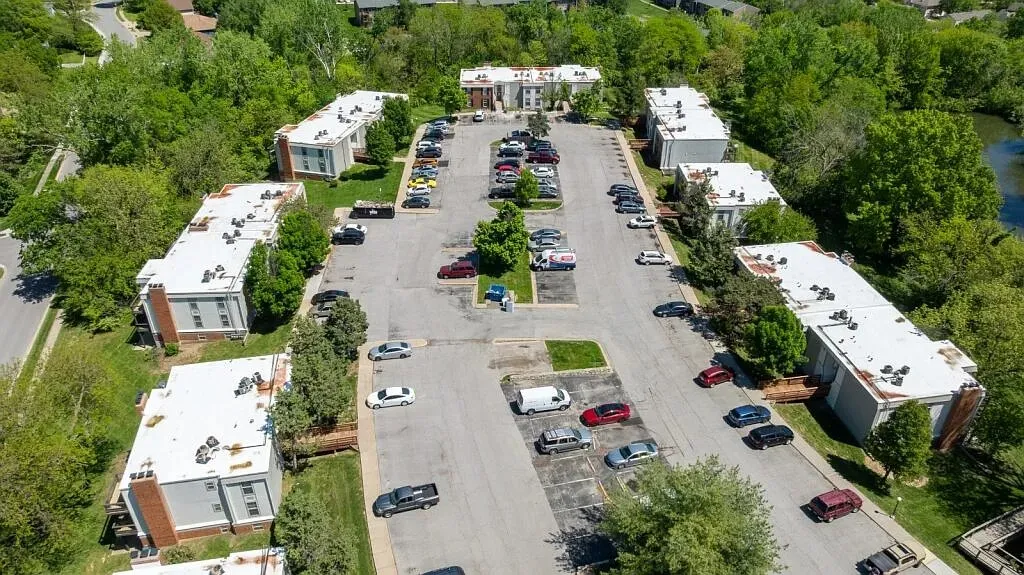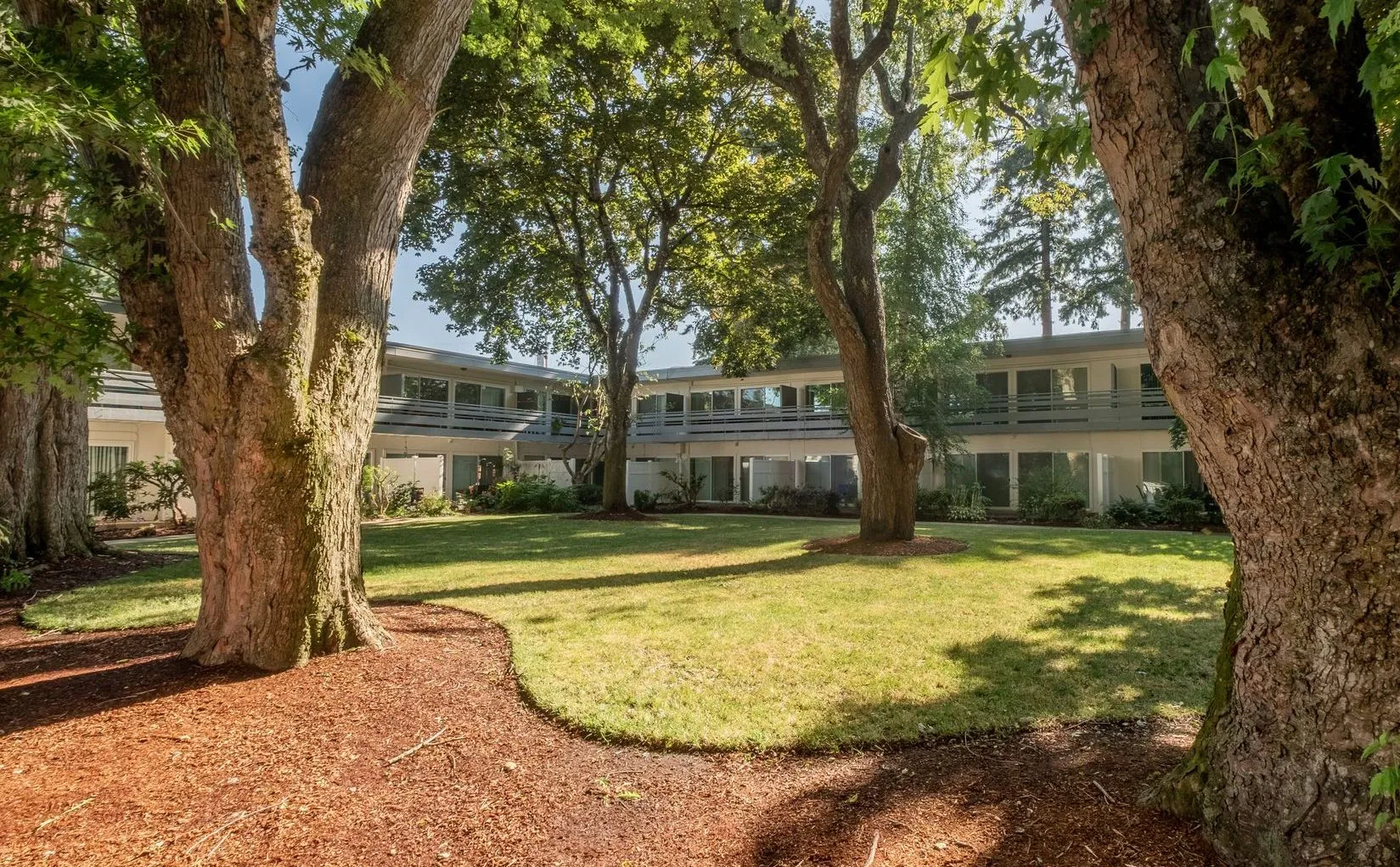
DECADES OF PROVEN MULTIFAMILY REAL ESTATE EXPERIENCE

Transforming underperforming properties through disciplined capital reinvestment, strategic repositioning, and active operational oversight.

OVERVIEW

WHO WE ARE

WHO WE ARE

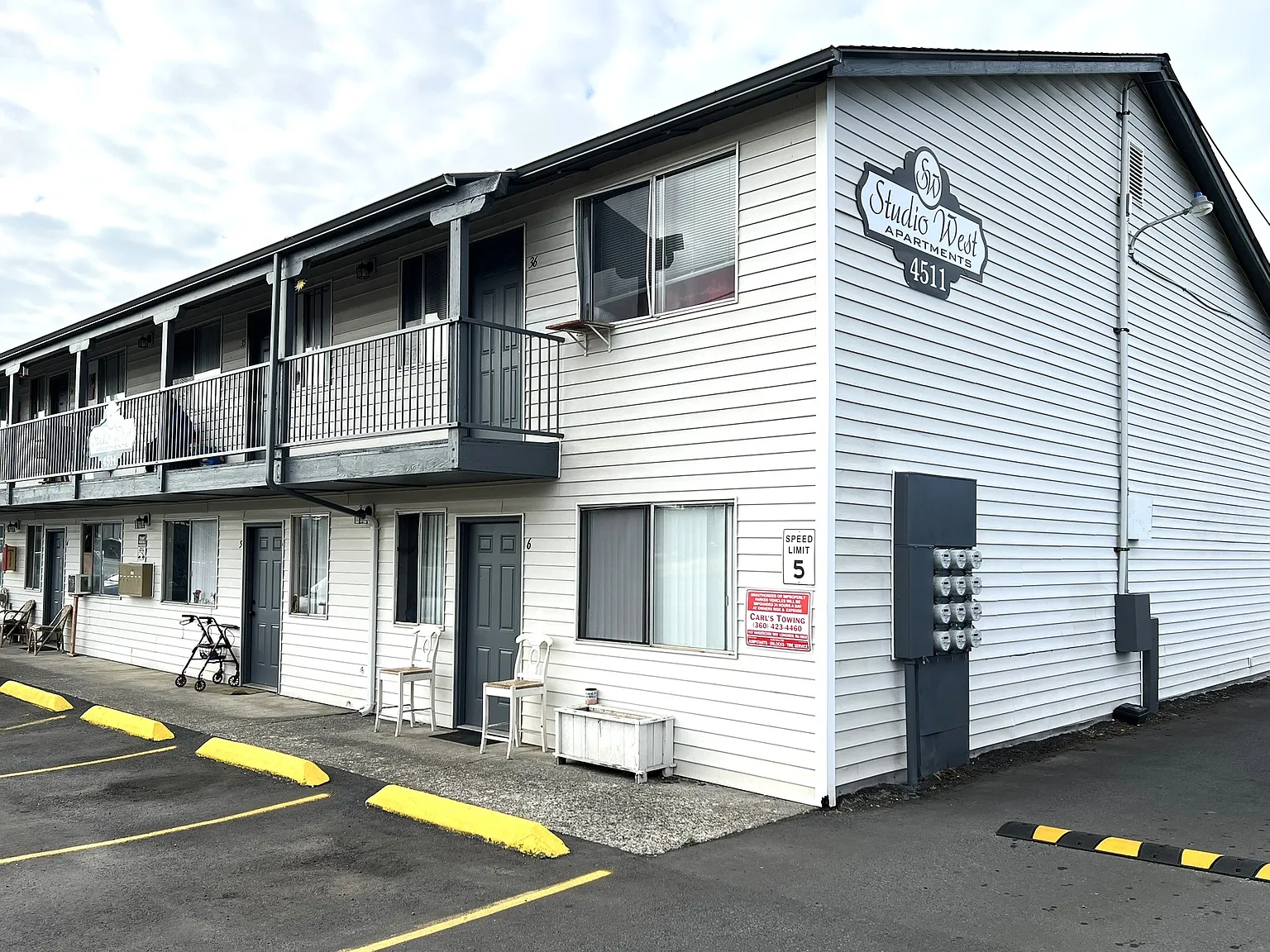
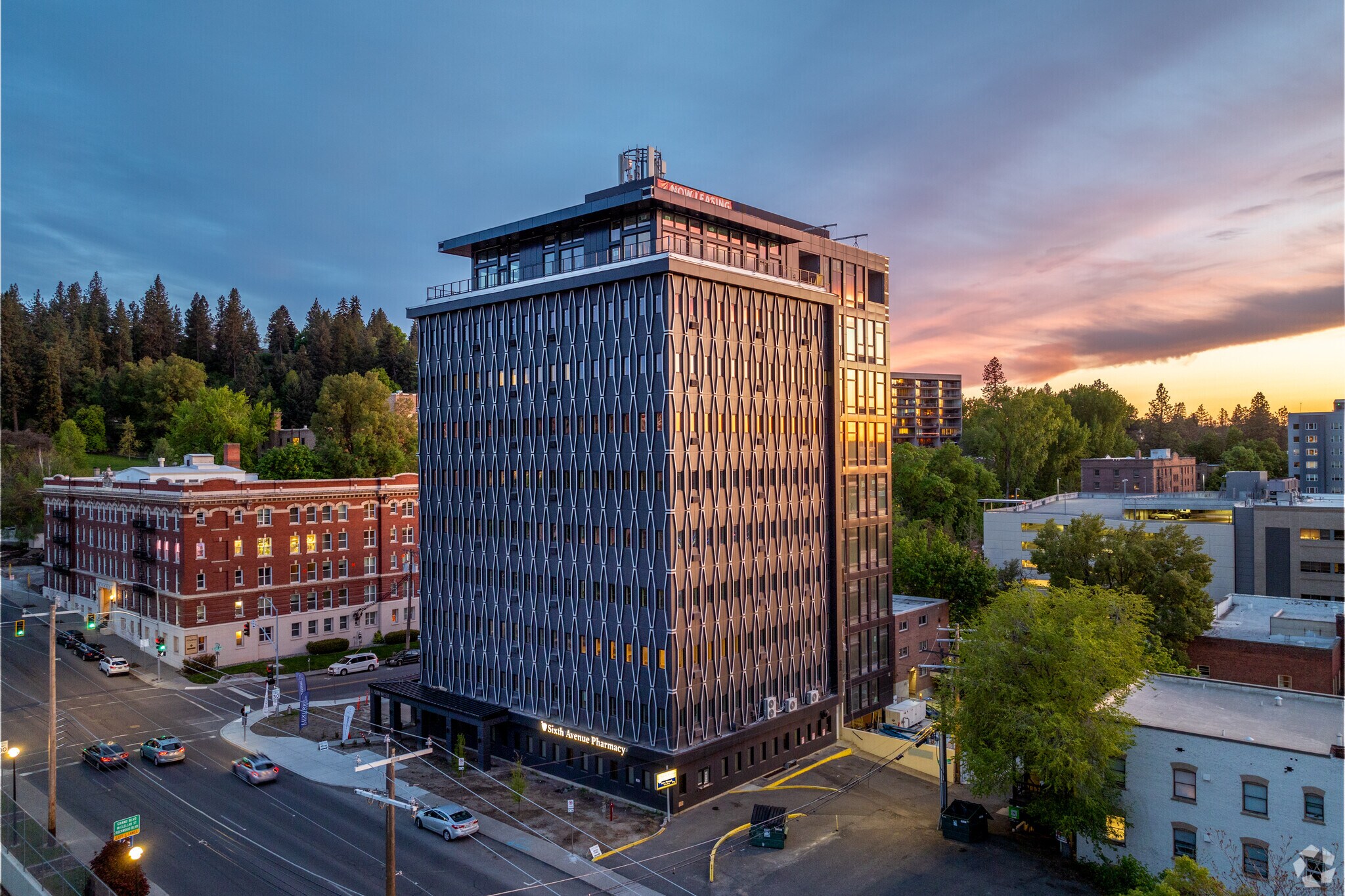
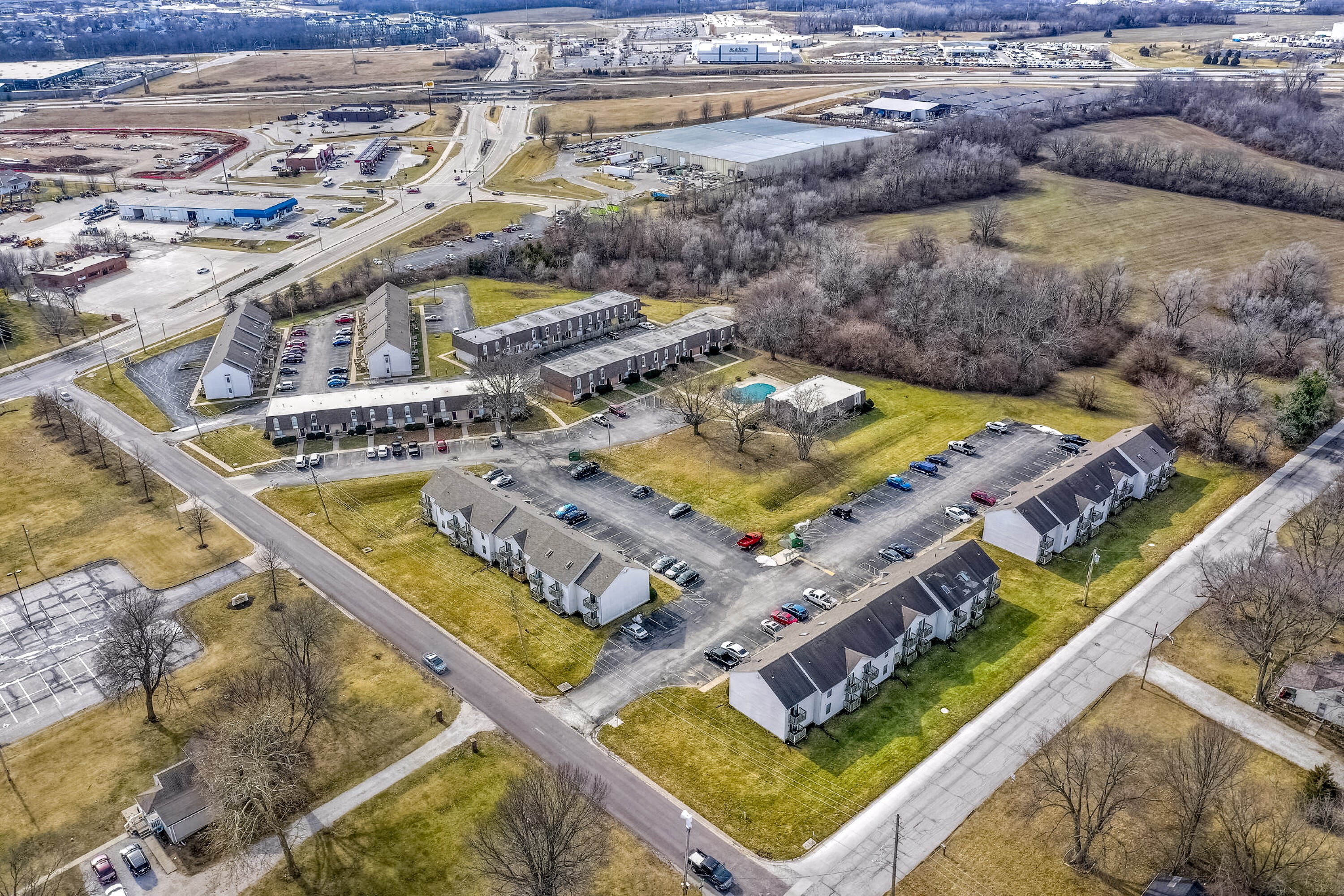
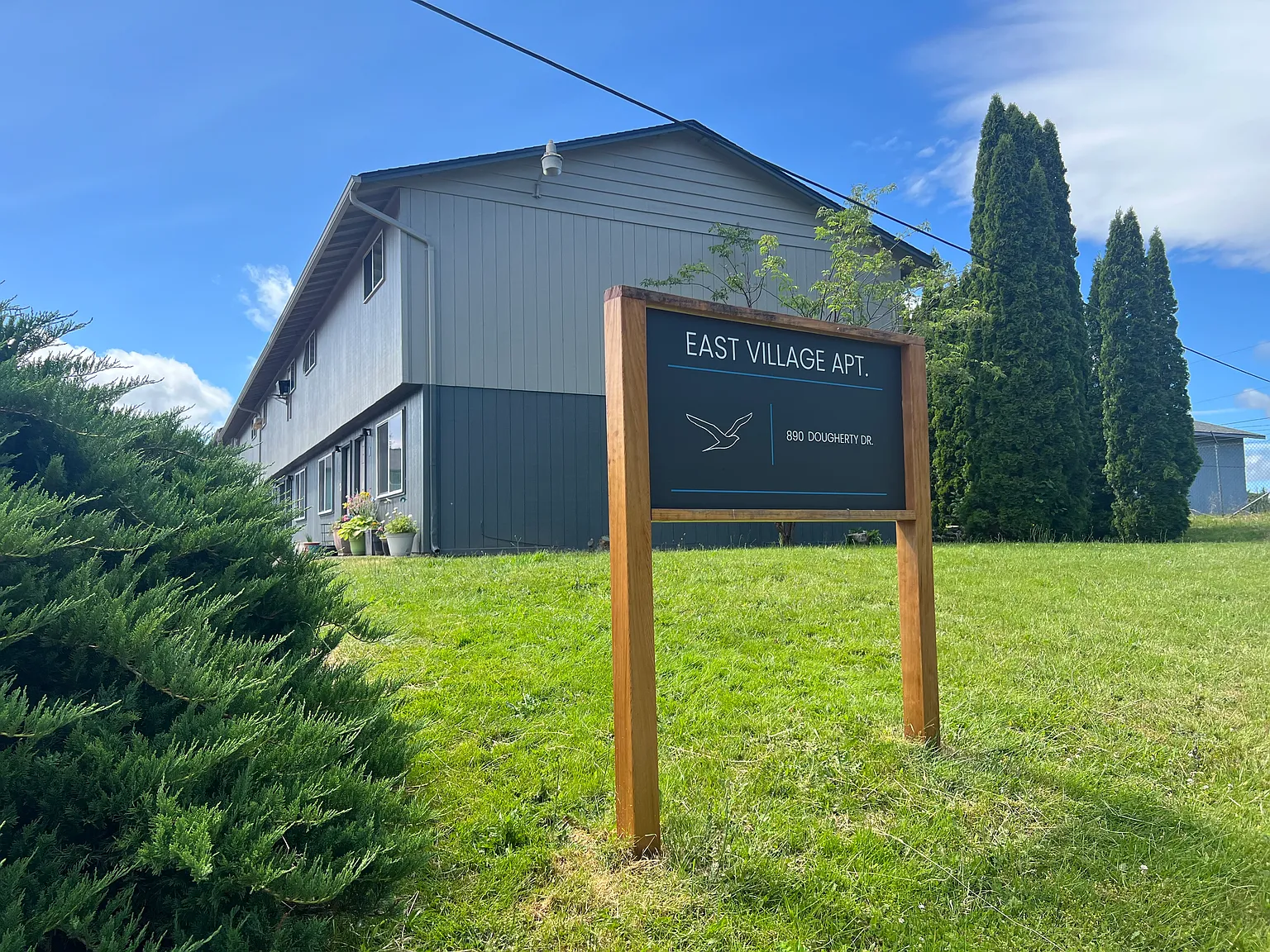
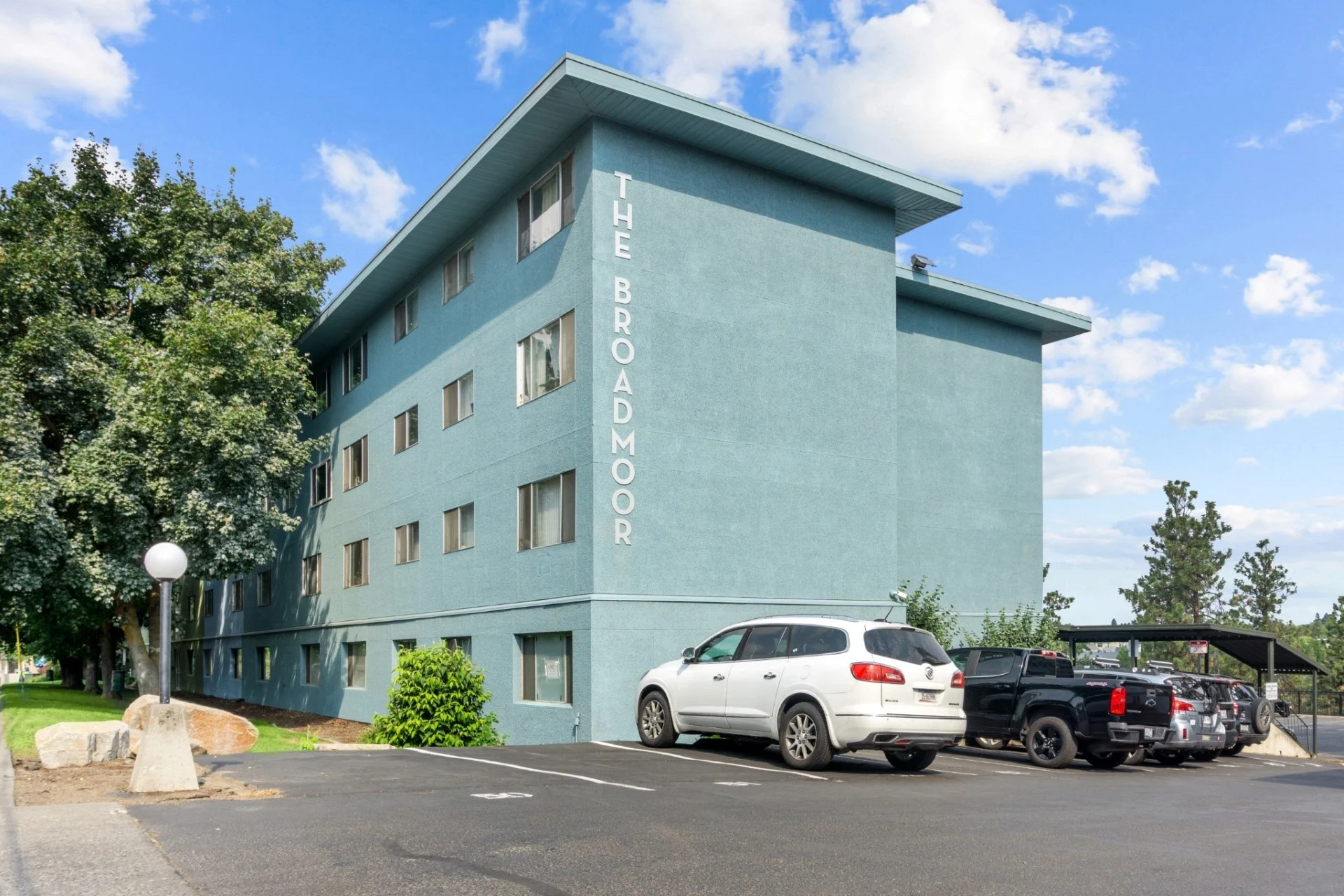
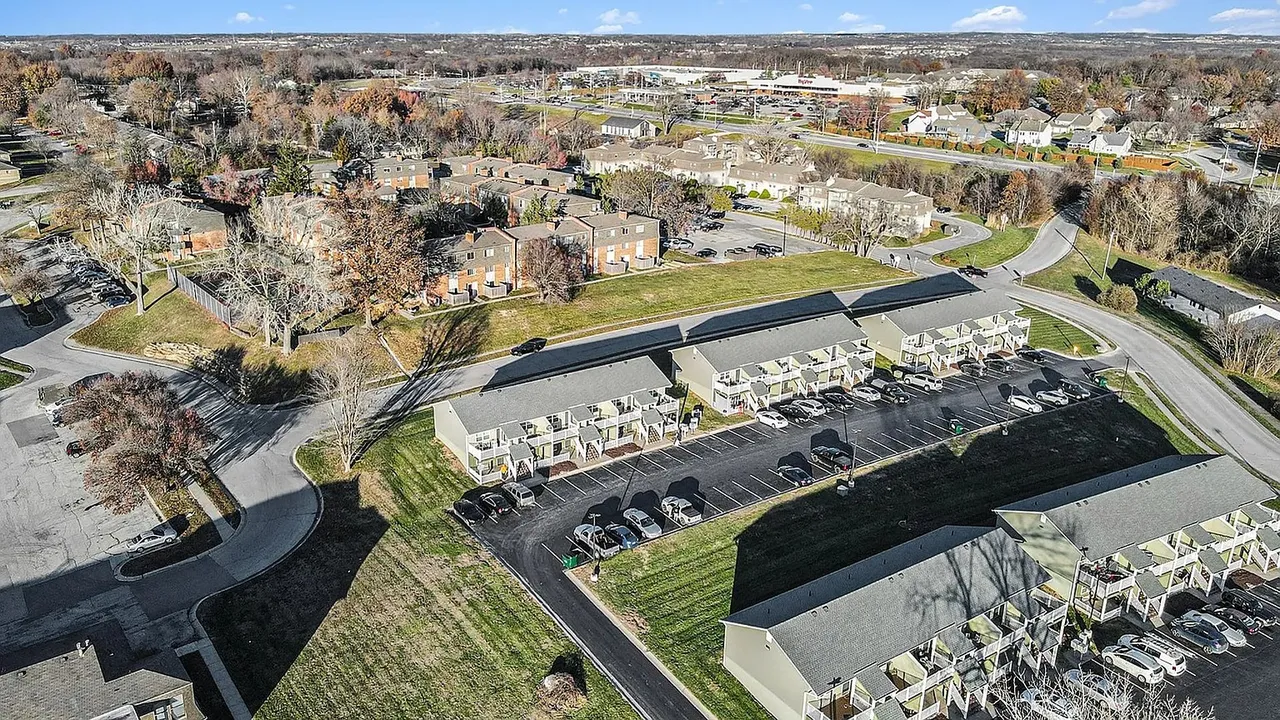
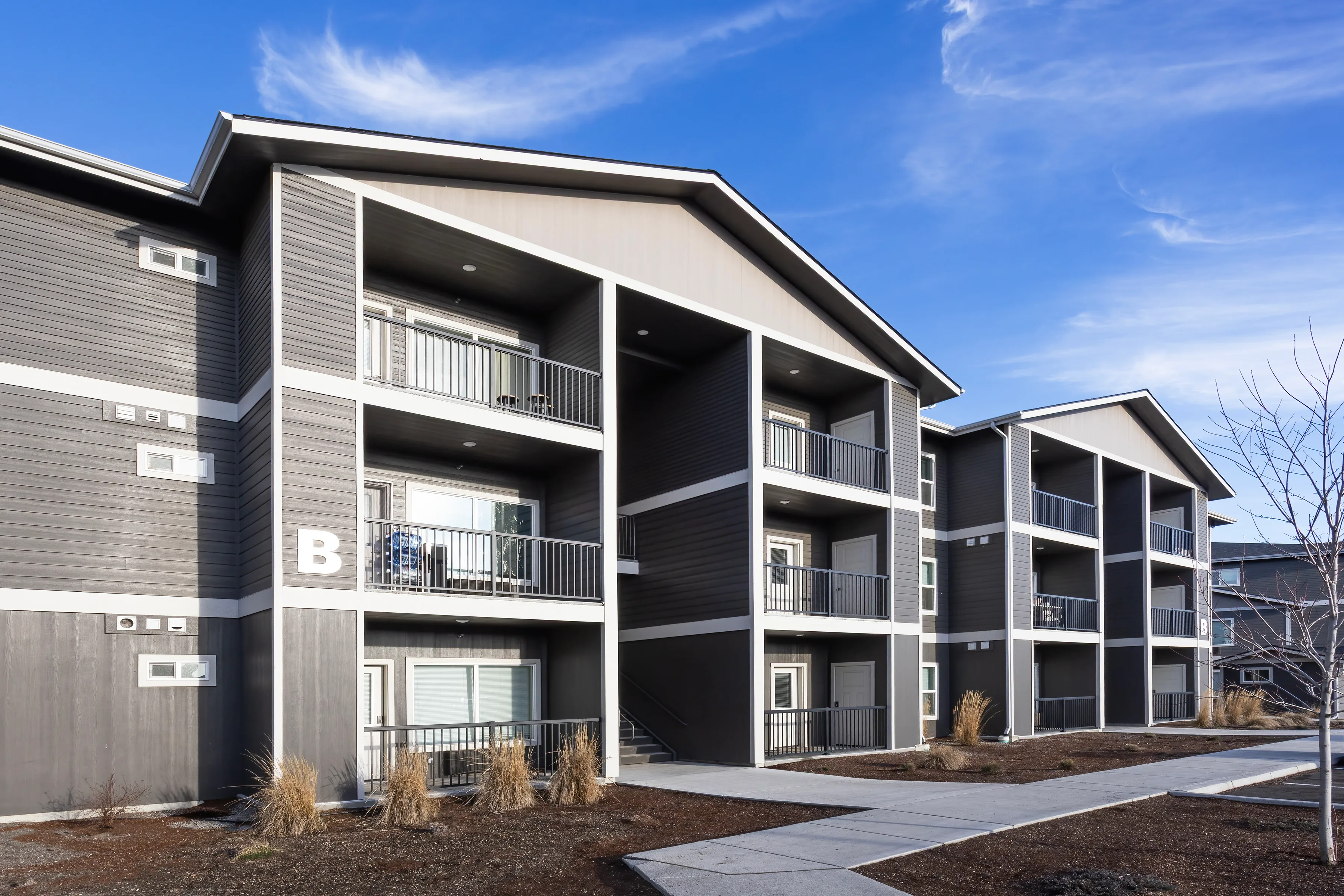
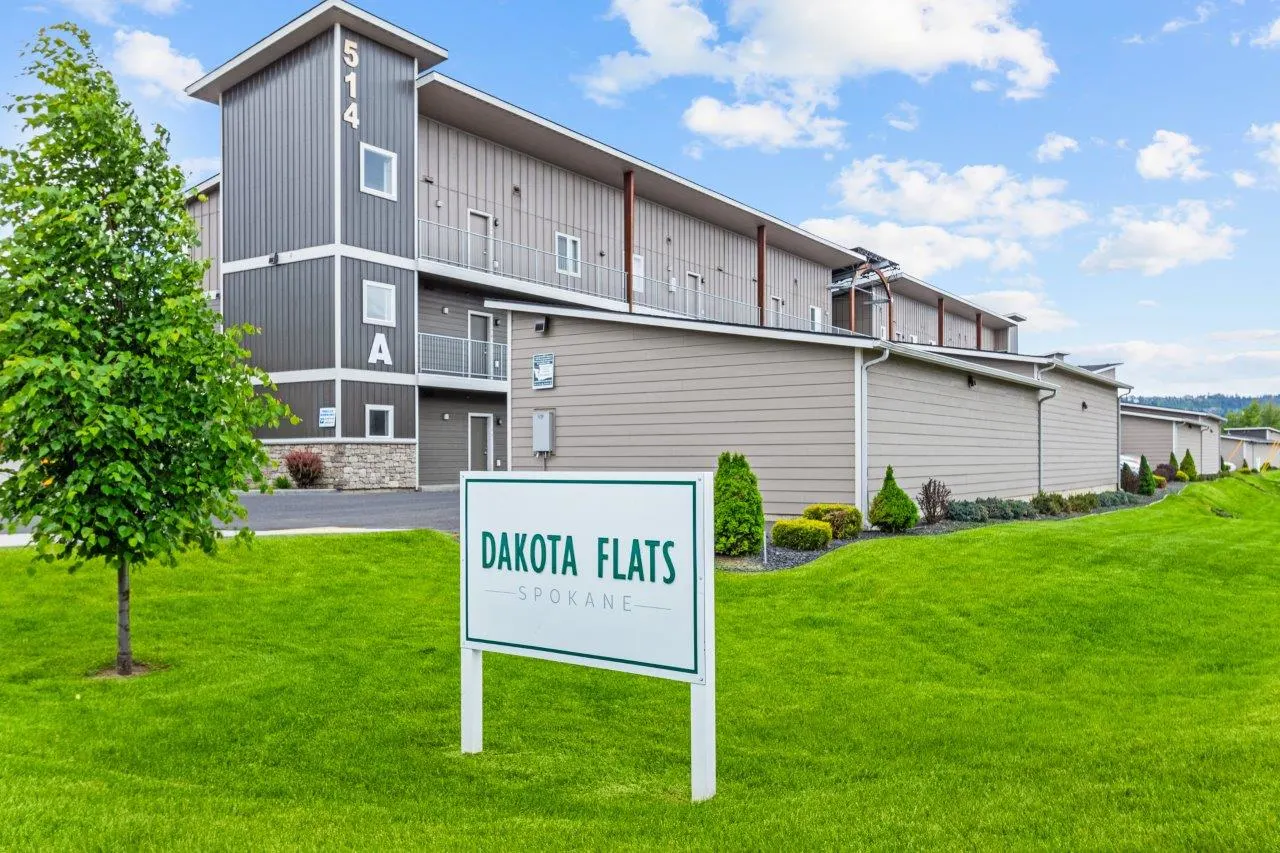
Rudy Munzel, David Squire, and Alexander Munzel collectively bring more than six decades of multifamily real estate experience, with a core focus on value-add acquisitions and operations. Together, they own and manage approximately 1,000 apartment units across Washington, Oregon, and Missouri.

What differentiates Munzel & Squire from many other real estate syndicators is a deeply hands-on ownership and asset management approach. Rudy and David alone have partnered on more than 30 multifamily projects over the past three decades, consistently transforming underperforming properties through disciplined capital reinvestment, strategic repositioning, and active operational oversight.

A defining characteristic of the firm’s investment strategy is a focus on multifamily properties built prior to the 2000s. These assets often suffer from deferred maintenance, outdated systems, and operational inefficiencies that create meaningful barriers for less experienced operators. While many syndicators concentrate on newer Class A developments, Munzel & Squire intentionally targets older buildings where hands-on ownership, construction expertise, and active management can materially improve performance.

Our Northstar Principles for Buying Real Estate: A.I.D.E.E.

Our fundamental approach to acquiring real estate revolves around a simple but powerful principles we call A.I.D.E.E. This framework guides every acquisition decision we make and ensures each investment aligns with both short-term discipline and long-term value creation. A.I.D.E.E. stands for: Appreciation, Income, Depreciation, Exit, and Excitement.

1

APPRECIATION

First and foremost, we focus on appreciation. We clearly evaluate where we believe value can be created and how a property can be positioned to appreciate over time. Appreciation is one of the most powerful tools available for building wealth through real estate, and we actively seek opportunities where our actions, vision, or repositioning efforts can drive that growth.

1

APPRECIATION

First and foremost, we focus on appreciation. We clearly evaluate where we believe value can be created and how a property can be positioned to appreciate over time. Appreciation is one of the most powerful tools available for building wealth through real estate, and we actively seek opportunities where our actions, vision, or repositioning efforts can drive that growth.

2

Income

Our second foundational principle is income. At some point, every property must generate cash flow. A durable and sustainable income stream is paramount to our strategy. We are willing to accept short-term repositioning or transitional phases if they ultimately lead to strong, reliable long-term income. Cash flow provides stability and flexibility throughout the investment lifecycle.

2

Income

Our second foundational principle is income. At some point, every property must generate cash flow. A durable and sustainable income stream is paramount to our strategy. We are willing to accept short-term repositioning or transitional phases if they ultimately lead to strong, reliable long-term income. Cash flow provides stability and flexibility throughout the investment lifecycle.

3

Depreciation

The third principle is depreciation. Real estate is a uniquely powerful asset class because it allows investors to depreciate the property over time. Under current tax codes, depreciation can significantly enhance an investor’s overall tax strategy. By reinvesting in property improvements, we can take advantage of depreciation write-offs, further increasing the after-tax performance of the investment.

3

Depreciation

The third principle is depreciation. Real estate is a uniquely powerful asset class because it allows investors to depreciate the property over time. Under current tax codes, depreciation can significantly enhance an investor’s overall tax strategy. By reinvesting in property improvements, we can take advantage of depreciation write-offs, further increasing the after-tax performance of the investment.

4

Exit

Next is the exit strategy. Every real estate asset will eventually be sold. Because of that, we believe it is critical to think about the exit from day one. Whether the timeline is one year, five years, or ten years, there must always be a clear vision for how and when the asset can be exited. Understanding the exit ensures we are making disciplined decisions today with tomorrow in mind.

4

Exit

Next is the exit strategy. Every real estate asset will eventually be sold. Because of that, we believe it is critical to think about the exit from day one. Whether the timeline is one year, five years, or ten years, there must always be a clear vision for how and when the asset can be exited. Understanding the exit ensures we are making disciplined decisions today with tomorrow in mind.

5

Excitement

Next is the exit strategy. Every real estate asset will eventually be sold. Because of that, we believe it is critical to think about the exit from day one. Whether the timeline is one year, five years, or ten years, there must always be a clear vision for how and when the asset can be exited. Understanding the exit ensures we are making disciplined decisions today with tomorrow in mind.

5

Excitement

Lastly, we believe in excitement. If we are not genuinely excited about a potential acquisition or investment opportunity, it often signals that the opportunity may not live up to its promise. Excitement provides the grit, motivation, and energy necessary to move forward, solve problems, and seek ways to enhance value. It keeps the end goal clearly in sight and fuels execution.

5

Excitement

Next is the exit strategy. Every real estate asset will eventually be sold. Because of that, we believe it is critical to think about the exit from day one. Whether the timeline is one year, five years, or ten years, there must always be a clear vision for how and when the asset can be exited. Understanding the exit ensures we are making disciplined decisions today with tomorrow in mind.

Bringing It All Together

From our standpoint, using A.I.D.E.E. as our foundational philosophy provides a clear, disciplined, and value-driven approach to evaluating real estate opportunities. Building on this foundation, we have developed Nine Windows of Opportunity for Purchase we use to evaluate potential acquisitions. These criteria allow us to assess properties in a consistent, thoughtful manner and support a differentiated, value-added acquisition strategy.
OUR PROCESS

OUR INVESTMENT PHILOSOPHY

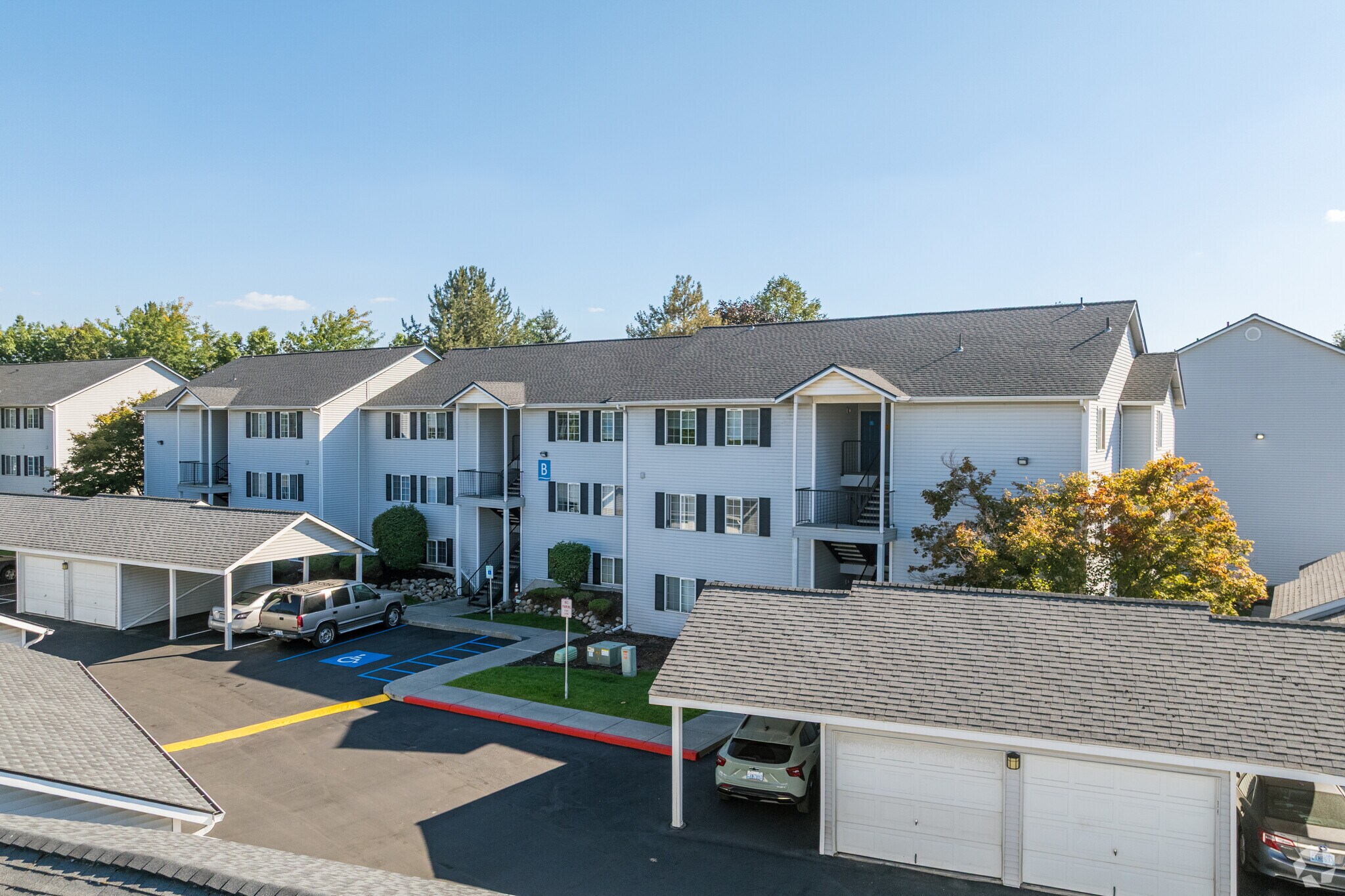
Since acquiring our first property more than 30 years ago, our success has been driven by a disciplined and repeatable investment framework. Rather than chasing market cycles, we adhere to a defined set of principles that guide every acquisition and operational decision. These principles are designed to create a wide margin of safety, preserve capital, and generate durable, risk-adjusted returns.

Acquire Assets Well Below Replacement Cost

We target acquisitions at approximately 30% below replacement cost while underwriting rents at no more than 70% of top market levels at acquisition. Purchasing assets at peak pricing while assuming full market rents leaves little margin for error. Buying well below replacement cost provides downside protection and resilience across market cycles.

Strategic Focus on Older Properties

A defining characteristic of our investment strategy is a focus on older multifamily properties where we have a clear strategic advantage. These assets often suffer from deferred maintenance, outdated systems, and operational inefficiencies that create barriers for less experienced operators. While many syndicators pursue newer Class A developments, we intentionally target older properties where hands-on ownership, construction expertise, and active management can materially improve performance.

The 1% Rule as an Initial Screening Tool

As an initial screen, in-place rents should approximate 1% of the purchase price on a per-unit basis. This metric allows for rapid evaluation of transaction viability and efficient prioritization of opportunities warranting deeper analysis.

Target Operationally Misaligned Assets

We seek properties that underperform due to ineffective ownership oversight rather than structural market issues. Property managers execute plans; ownership sets them. When accountability, strategy, and execution are misaligned, disciplined operators can unlock value through hands-on ownership.

Long-Term or Family Ownership with Deferred Capital

We favor assets held by long-term or family ownership groups that prioritized occupancy over reinvestment. These situations—often driven by generational transitions or estate planning—frequently present clear repositioning opportunities.

Location Is Non-Negotiable

Operational challenges can be corrected; location cannot. We will not “buy cheap” in inferior locations. In our experience, paying a fair price for a strong location consistently outperforms buying a discount in a marginal one.

Rent Growth Drives Exponential Value Creation

At a 6% cap rate, every $5 increase in monthly rent equates to approximately $1,000 in asset value. Thoughtful renovations and operational improvements that generate $100–$200 in monthly rent growth per unit can translate into $20,000–$40,000 of incremental value per unit.

Accelerated Repositioning with Controlled Risk

We pursue accelerated repositioning strategies that create value quickly while carefully controlling operational risk. Execution is paced to protect cash flow and tenant experience, and during full property repositioning we intentionally maintain occupancy above 85% throughout the process.

Workforce Housing with Pride of Ownership

We focus on delivering clean, safe, and attractive workforce housing. Communities that foster pride of residency benefit from lower turnover, improved resident behavior, and stronger long-term performance.

Acquire Assets Well Below Replacement Cost

We target acquisitions at approximately 30% below replacement cost while underwriting rents at no more than 70% of top market levels at acquisition. Purchasing assets at peak pricing while assuming full market rents leaves little margin for error. Buying well below replacement cost provides downside protection and resilience across market cycles.

Strategic Focus on Older Properties

A defining characteristic of our investment strategy is a focus on older multifamily properties where we have a clear strategic advantage. These assets often suffer from deferred maintenance, outdated systems, and operational inefficiencies that create barriers for less experienced operators. While many syndicators pursue newer Class A developments, we intentionally target older properties where hands-on ownership, construction expertise, and active management can materially improve performance.

The 1% Rule as an Initial Screening Tool

As an initial screen, in-place rents should approximate 1% of the purchase price on a per-unit basis. This metric allows for rapid evaluation of transaction viability and efficient prioritization of opportunities warranting deeper analysis.

Target Operationally Misaligned Assets

We seek properties that underperform due to ineffective ownership oversight rather than structural market issues. Property managers execute plans; ownership sets them. When accountability, strategy, and execution are misaligned, disciplined operators can unlock value through hands-on ownership.

Long-Term or Family Ownership with Deferred Capital

We favor assets held by long-term or family ownership groups that prioritized occupancy over reinvestment. These situations—often driven by generational transitions or estate planning—frequently present clear repositioning opportunities.

Location Is Non-Negotiable

Operational challenges can be corrected; location cannot. We will not “buy cheap” in inferior locations. In our experience, paying a fair price for a strong location consistently outperforms buying a discount in a marginal one.

Rent Growth Drives Exponential Value Creation

At a 6% cap rate, every $5 increase in monthly rent equates to approximately $1,000 in asset value. Thoughtful renovations and operational improvements that generate $100–$200 in monthly rent growth per unit can translate into $20,000–$40,000 of incremental value per unit.

Accelerated Repositioning with Controlled Risk

We pursue accelerated repositioning strategies that create value quickly while carefully controlling operational risk. Execution is paced to protect cash flow and tenant experience, and during full property repositioning we intentionally maintain occupancy above 85% throughout the process.

Workforce Housing with Pride of Ownership

We focus on delivering clean, safe, and attractive workforce housing. Communities that foster pride of residency benefit from lower turnover, improved resident behavior, and stronger long-term performance.

PROPERTY PORTFOLIO

CURRENT PROJECTS
UNDER MANAGEMENT
ABOUT US

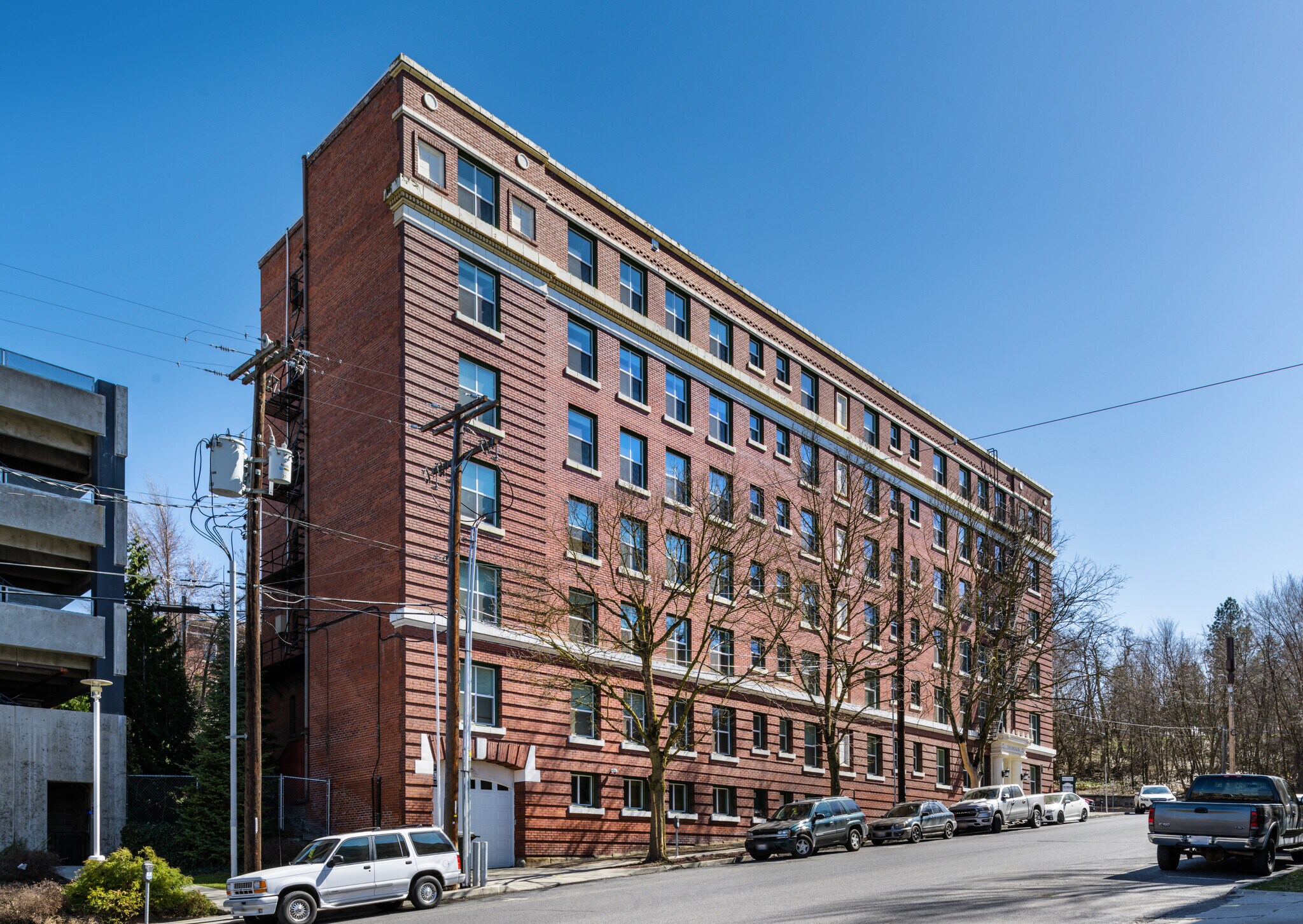
COLLECTIVELY SIX DECADES OF EXPERIENCE
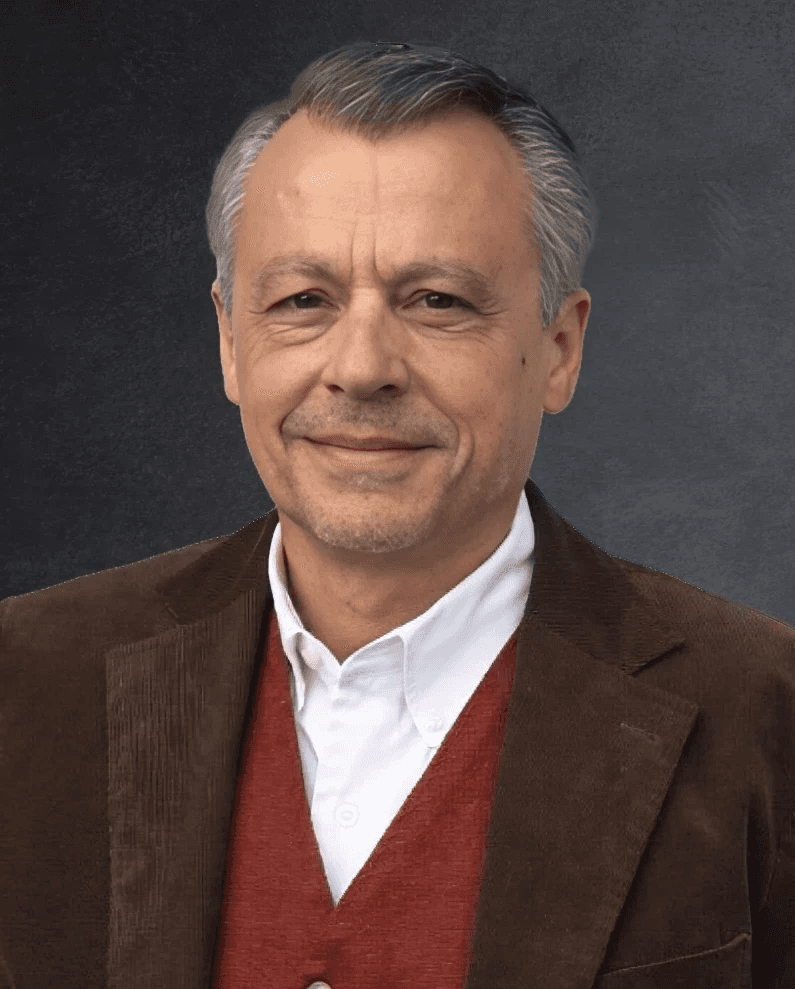
Rudy Munzel

Rudy Munzel is a seasoned investor, developer, and licensed contractor with nearly 40 years of experience. He holds a degree in Architecture from the University of Oregon and has sponsored and managed more than 40 real estate projects totaling over $200 million in value. Rudy brings deep expertise in the redevelopment and repositioning of multifamily and mixed-use assets, combining design, construction, and operational execution under a single ownership vision.
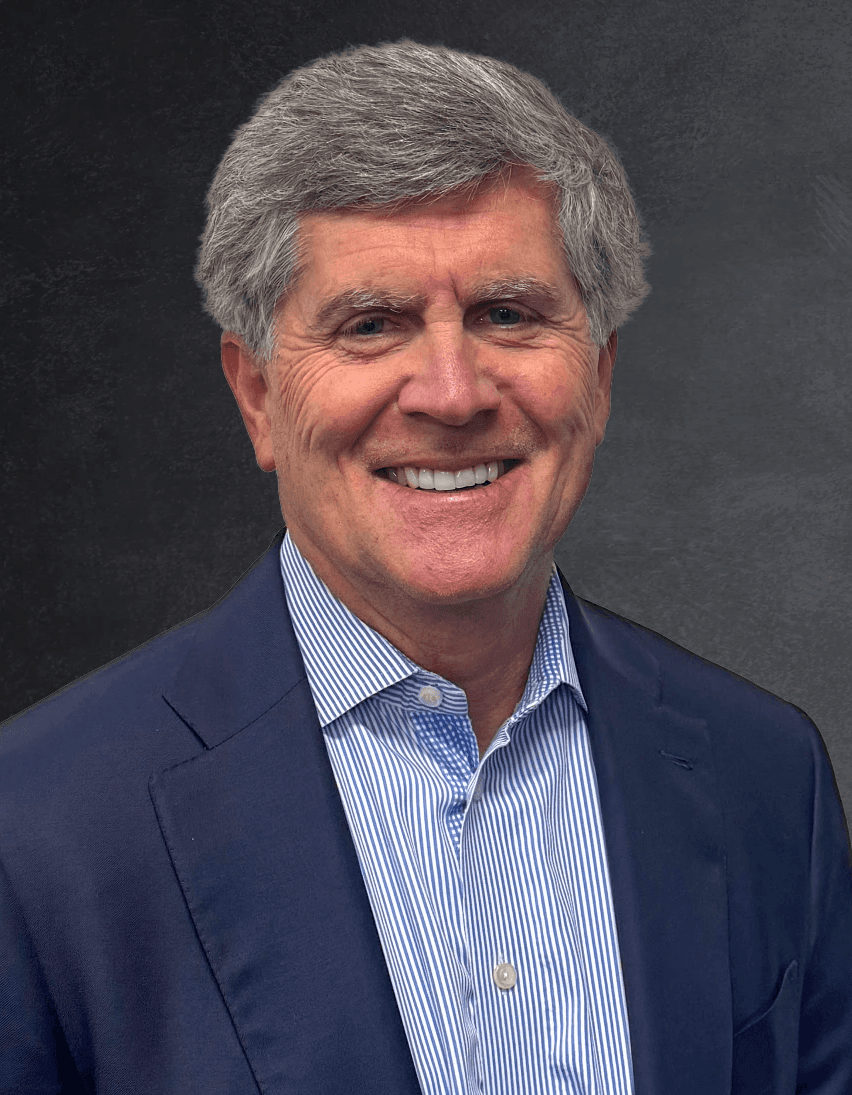
David Squire, SIOR

David Squire has worked in commercial real estate since 1985, beginning his career with Equitec Financial Group. He joined Newmark Knight Frank (formerly Grubb & Ellis) in 1990 and currently serves as Executive Vice President and Managing Director in the firm’s Portland office. David brings more than 30 years of commercial real estate experience, with specialized expertise in tenant representation, large multi-building developments, corporate advisory services, and office investment sales. A leading office producer in Portland, he has been awarded Portland Office Broker of the Year eight times. David holds a Bachelor of Science in Economics from the University of Georgia and a Real Property Administrator (RPA) designation from BOMI International. He is an active member of the Society of Industrial and Office Realtors (SIOR).

Alexander Munzel

Alexander Munzel joined the partnership after earning his degree in Real Estate Development from the University of Denver. He brings strong analytical rigor, underwriting discipline, and acquisition execution capabilities, strengthening the team’s ability to identify opportunities and implement value-add strategies with precision.

GET IN TOUCH

WANT TO KNOW MORE?

Learn how our team approaches capital deployment, risk evaluation, and execution through a clearly defined investment process.
© Copyright 2026. All Rights Reserved

The content provided on this website is for informational purposes only. While the information presented is believed to be accurate as of the date posted, no representation or warranty, express or implied, is made as to its accuracy, completeness, or reliability. All summaries, projections, opinions, and statements are provided for discussion purposes only and should not be relied upon as guarantees of future performance.

Nothing on this website constitutes an offer to sell or a solicitation of an offer to buy any securities or investment interests. Any investment involves significant risk, including the possible loss of principal. Past performance is not indicative of future results. Visitors to this website should conduct their own independent due diligence and consult with their own legal, tax, and financial advisors before making any investment decisions.

The authors and their affiliates expressly disclaim any and all liability for any direct, indirect, or consequential loss or damage arising from the use of, or reliance upon, any information contained on this website. All financial information, projections, assumptions, and estimates are subject to change without notice. Any references to potential returns or performance are illustrative only and do not constitute a guarantee of results.

By accessing or using this website, you acknowledge and agree that you are solely responsible for your own investment decisions and for independently verifying all information presented herein.

© Copyright 2026. All Rights Reserved

The content provided on this website is for informational purposes only. While the information presented is believed to be accurate as of the date posted, no representation or warranty, express or implied, is made as to its accuracy, completeness, or reliability. All summaries, projections, opinions, and statements are provided for discussion purposes only and should not be relied upon as guarantees of future performance.

Nothing on this website constitutes an offer to sell or a solicitation of an offer to buy any securities or investment interests. Any investment involves significant risk, including the possible loss of principal. Past performance is not indicative of future results. Visitors to this website should conduct their own independent due diligence and consult with their own legal, tax, and financial advisors before making any investment decisions.

The authors and their affiliates expressly disclaim any and all liability for any direct, indirect, or consequential loss or damage arising from the use of, or reliance upon, any information contained on this website. All financial information, projections, assumptions, and estimates are subject to change without notice. Any references to potential returns or performance are illustrative only and do not constitute a guarantee of results.

By accessing or using this website, you acknowledge and agree that you are solely responsible for your own investment decisions and for independently verifying all information presented herein.

© Copyright 2026. All Rights Reserved

The content provided on this website is for informational purposes only. While the information presented is believed to be accurate as of the date posted, no representation or warranty, express or implied, is made as to its accuracy, completeness, or reliability. All summaries, projections, opinions, and statements are provided for discussion purposes only and should not be relied upon as guarantees of future performance.

Nothing on this website constitutes an offer to sell or a solicitation of an offer to buy any securities or investment interests. Any investment involves significant risk, including the possible loss of principal. Past performance is not indicative of future results. Visitors to this website should conduct their own independent due diligence and consult with their own legal, tax, and financial advisors before making any investment decisions.

The authors and their affiliates expressly disclaim any and all liability for any direct, indirect, or consequential loss or damage arising from the use of, or reliance upon, any information contained on this website. All financial information, projections, assumptions, and estimates are subject to change without notice. Any references to potential returns or performance are illustrative only and do not constitute a guarantee of results.

By accessing or using this website, you acknowledge and agree that you are solely responsible for your own investment decisions and for independently verifying all information presented herein.